
UX Writing: Creating Human-Centered Content
 One of the biggest challenges when writing on digital platforms is making the texts clear, concise, and useful. There is a powerful tool for this known as UX Writing (User Experience Writing), which is nothing more than writing based on the user’s experience, interaction, and emotions during the process.
Many people believe that this technique is new, however, it is not. People have been writing for interfaces for as long as they have existed. UX Writing adds value by formalizing the practice with advanced guidelines. Furthermore, its demand is constantly increasing, and it is closely related to UX Design (User Experience Design), a process that seeks to create digital products that generate relevant and significant experiences for users through design, usability, and more.
Read the blog New UX Design Trends.
Writing based on the user’s experience, engagement, and emotions throughout the process is UX writing.
Although the difference between UX Writing and Copywriting is very subtle, the first aims to guide and help, while the second informs, persuades or sells. Do not confuse UX Writing with Micro Copywriting, which aims to synthesize concepts through short texts in order to make browsing and usability more humane and simple.
What qualities should an attractive UX Writing have?
Clarity. A clear text, with simple and direct language, is the best way to help the user understand and process the communication.
Consistency. Consistency in the texts is key to generating trust in the user. For example, in an online course sales app, if the user purchases course “X”, that name (or text) must be the same throughout the purchase process.
Precision. The instructions must be specific, that is, they must explain exactly what must be done in each instance.
Conversational. Texts that point to a discussion are more appealing, warm, and pleasant; surely, with the appropriate tone of voice.
What Are the Advantages of UX Writing? Quite a few! At Isource Marketing, we highlight the 5 most significant advantages:
- Helps empathize with users. UX Writing determines the tone of communication with users. It is key to creating a connection of empathy and trust between the product and the users.
- Humanizes the product. The UX writers are in charge of developing the language for the product-user interactions, therefore their goal is to humanize the products by establishing a relationship between them.
- Increases conversion rates and user engagement. A good UX Writing strategy is CTA ( Call to Action)which helps improve conversion goals. The idea is to create texts that lead to action and make communication effective.
- Create smoother interactions. Understanding how to use a digital product can be very difficult, so good UX Writing is responsible for providing all the necessary information for the user and improving their experience.
- Reduce the amount of time users spend on apps. Having all of the steps clear ensures that users utilize the app for the necessary amount of time, avoiding frustrations and increasing the likelihood that they will use or recommend the app again.
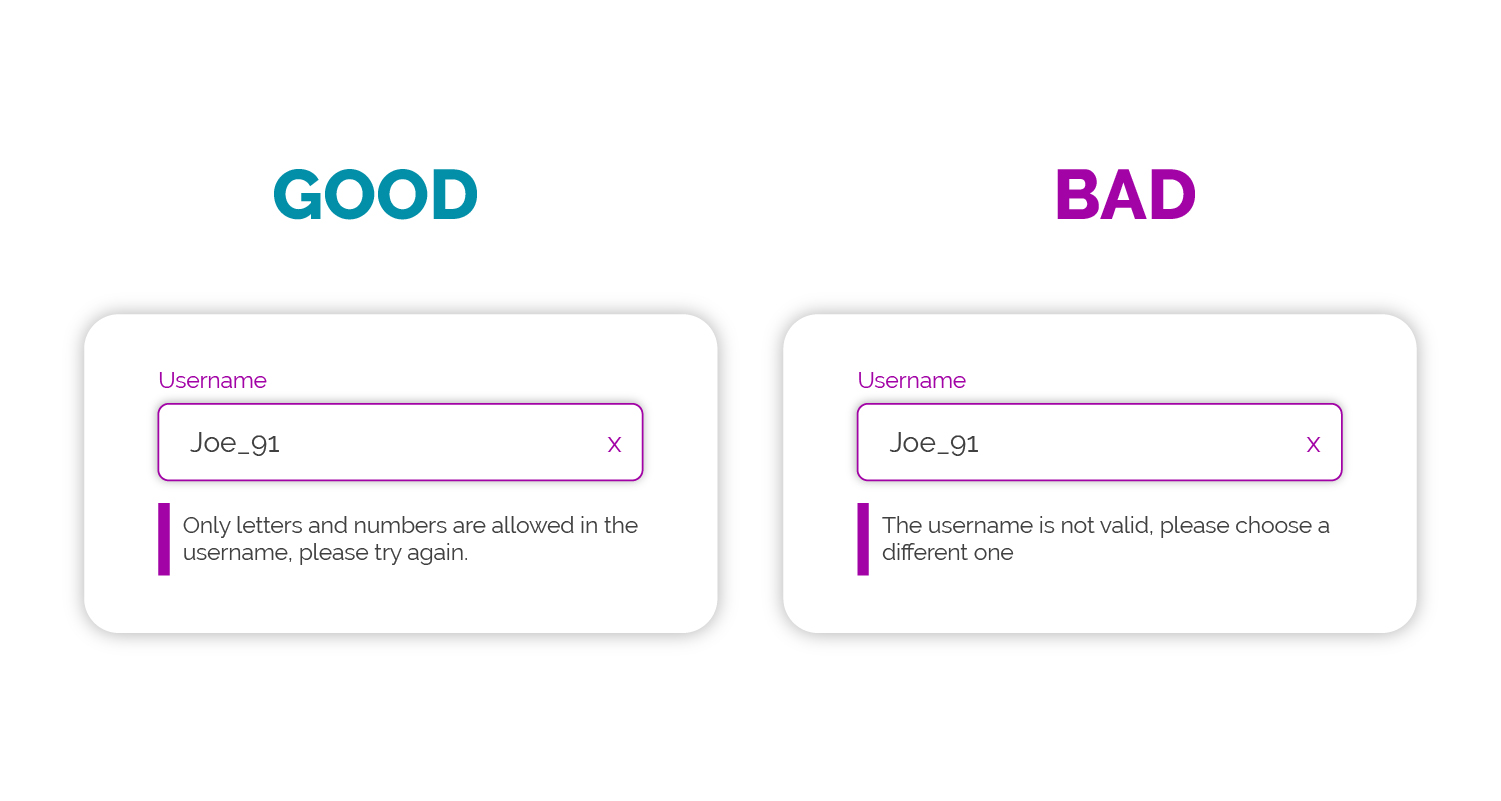
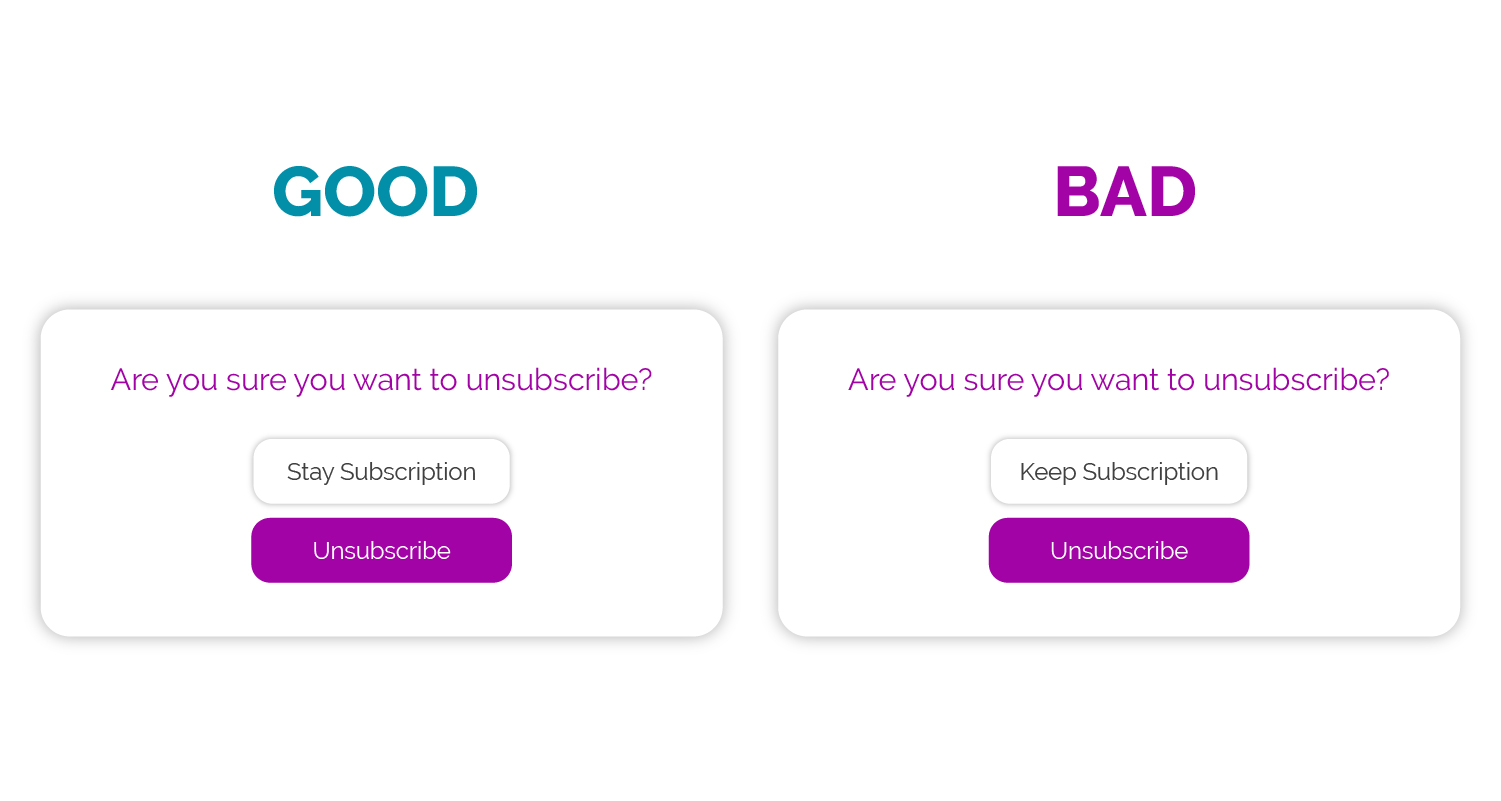
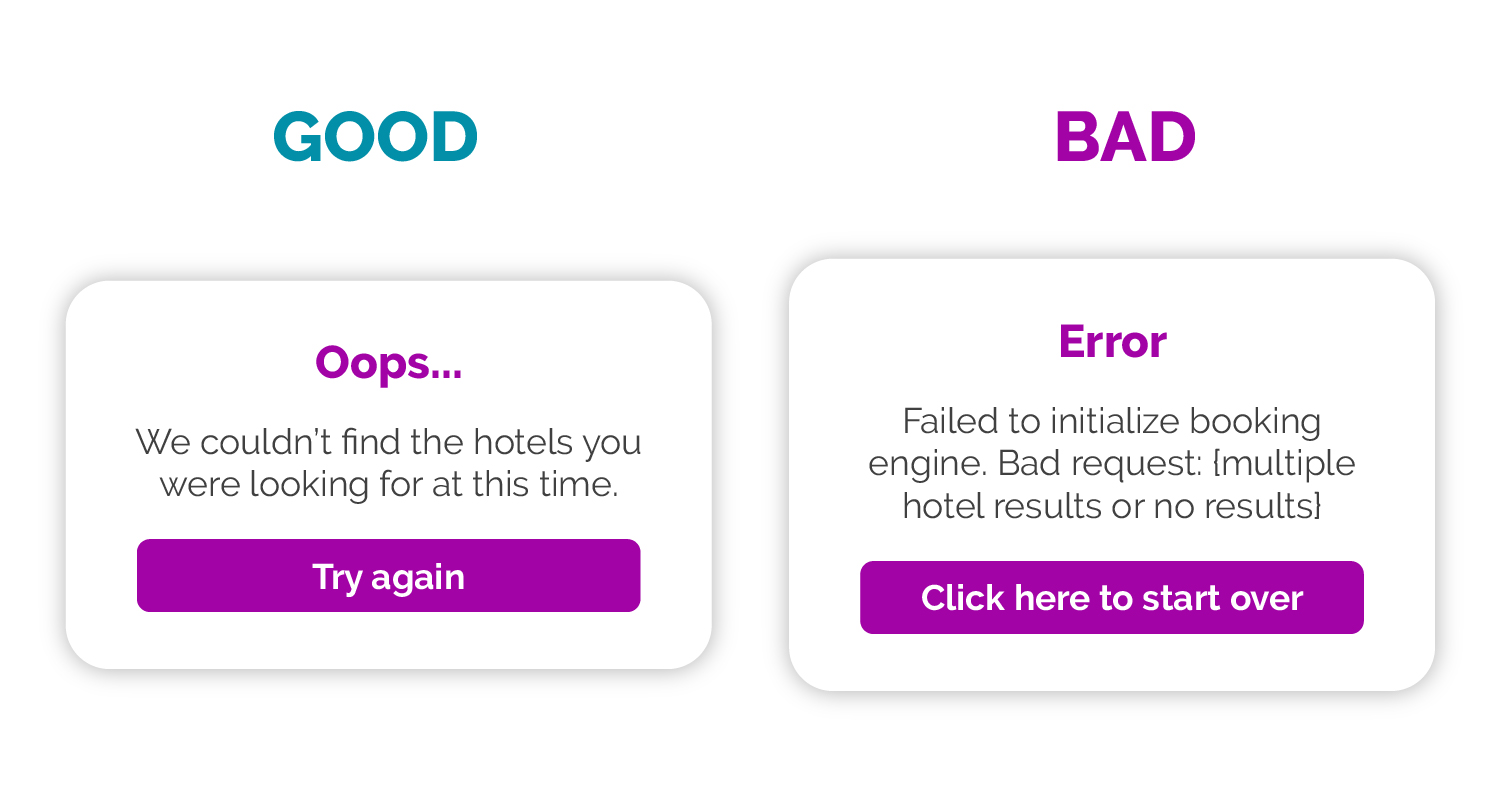
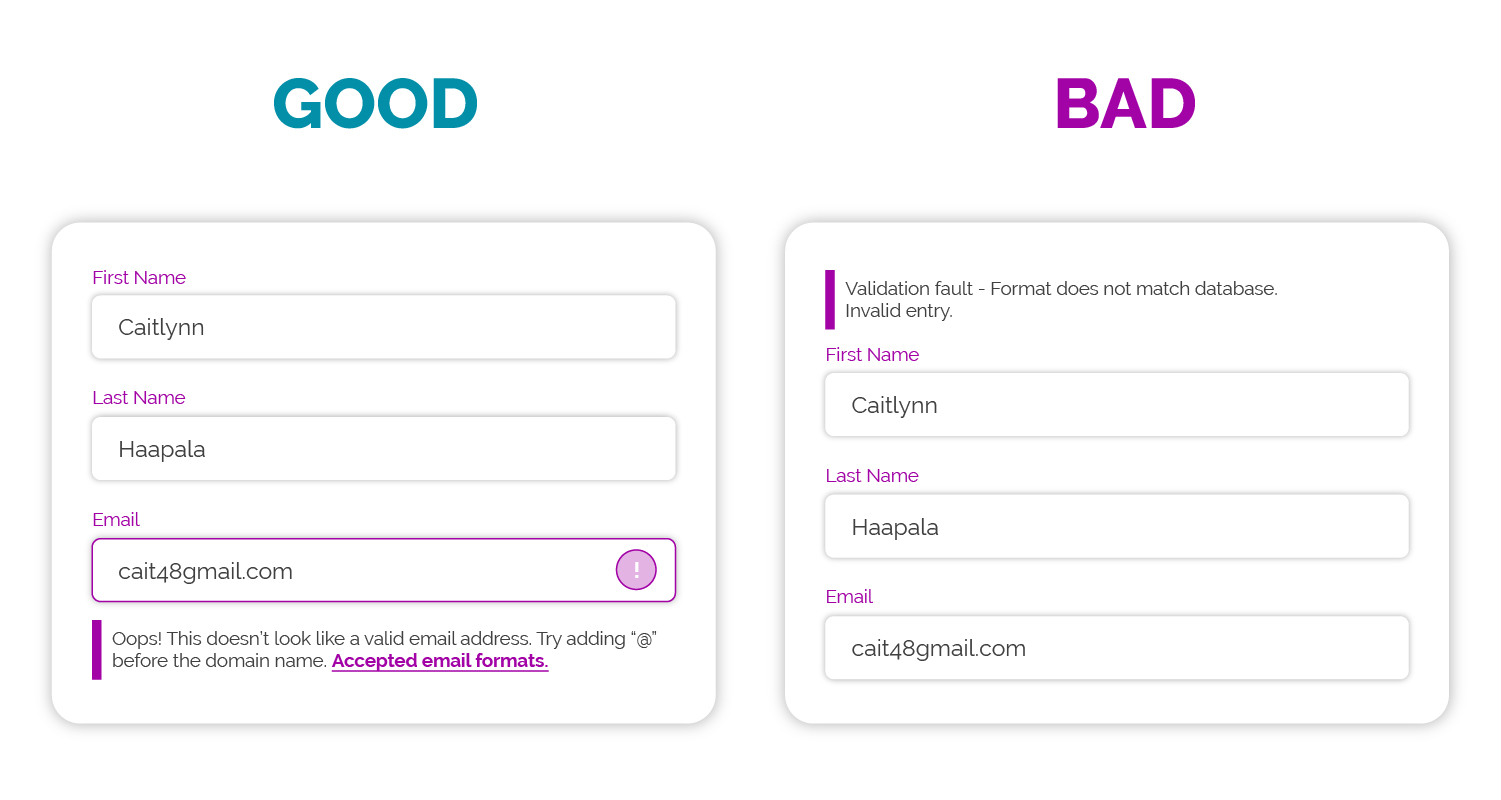
Then there are 4 comparative examples with texts, one using UX Writing and the others not.
–
The UX Writer
The UX Writer must be capable of creating content that offers the digital platform logic, coherence, and order. Furthermore, it determines how the company’s voice should be expressed and simplifies the customer experience. To structure an optimal interface, you must be familiar with UX Design and work closely with designers.
The UX Writer must be capable of creating content that offers the digital platform logic, coherence, and order.
As we could see in this blog post, users want the experience on websites and applications to be clear, concise, and useful. UX Writing is one of the tools for doing so. At Isource Marketing we have writers specialized in this area, as well as a group of designers 100% focused on UX Design. Contact us for your next digital project! https://old.web.isource.us/#contact


 Customer prospecting is of the utmost importance for any business. In the case of companies in the Business to Business (B2B) sector, the rationale is that their target audiences are more rational, specialized, and informed compared to those in the Business to Consumer (B2C) market, which requires a methodical, analytical, and a very orderly segmentation process. This comment is especially relevant after understanding that, according to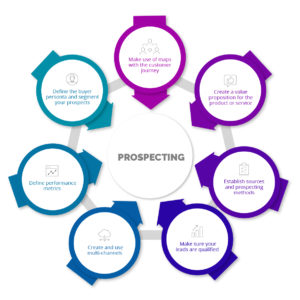
 Artificial Intelligence (AI) is the simulation of human intelligence by machines. It’s likely the first thing that comes to mind when you think about science fiction films like Terminator. What you probably didn’t realize is that this enthusiasm is grounded in reality: we live in an increasingly connected and intelligent world. Today, you can build an airplane, invest in stocks, and even connect your CRM to your inbox to prioritize the most important emails. And the numbers speak for themselves: According to SEM Rush, the projected annual growth rate of AI between 2020 and 2027 is 33.2%.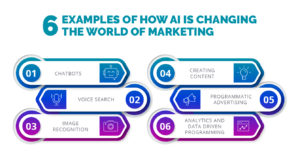
 What is augmented reality?






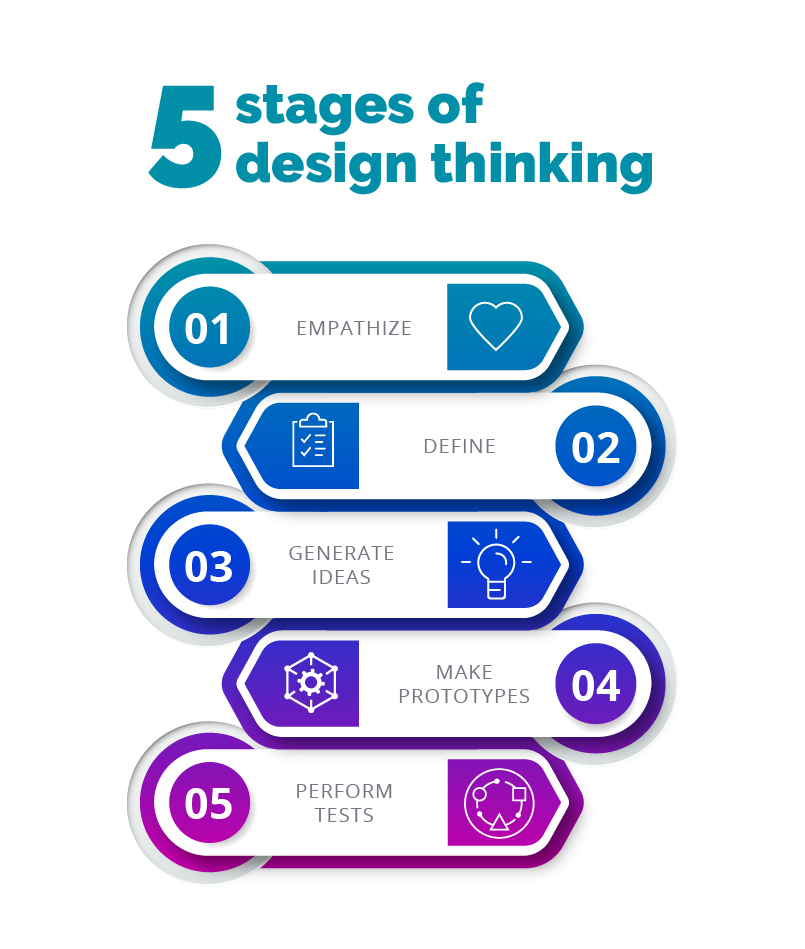
 Design thinking is an iterative process that utilizes a set of design techniques to generate, develop, and test new ideas in order to create products and services that are technologically possible and financially viable.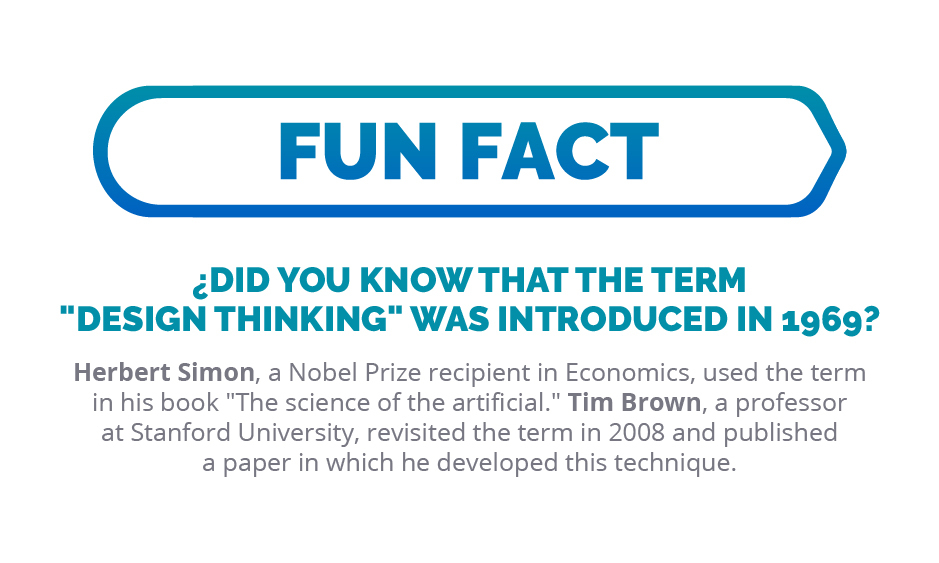
 2020 and 2021 were challenging years for society and the global economy, but there is no denying the opportunities created by the digital revolution’s acceleration, particularly for enterprises in the Business to Business (B2B) sector and their sales and marketing areas. According to a
 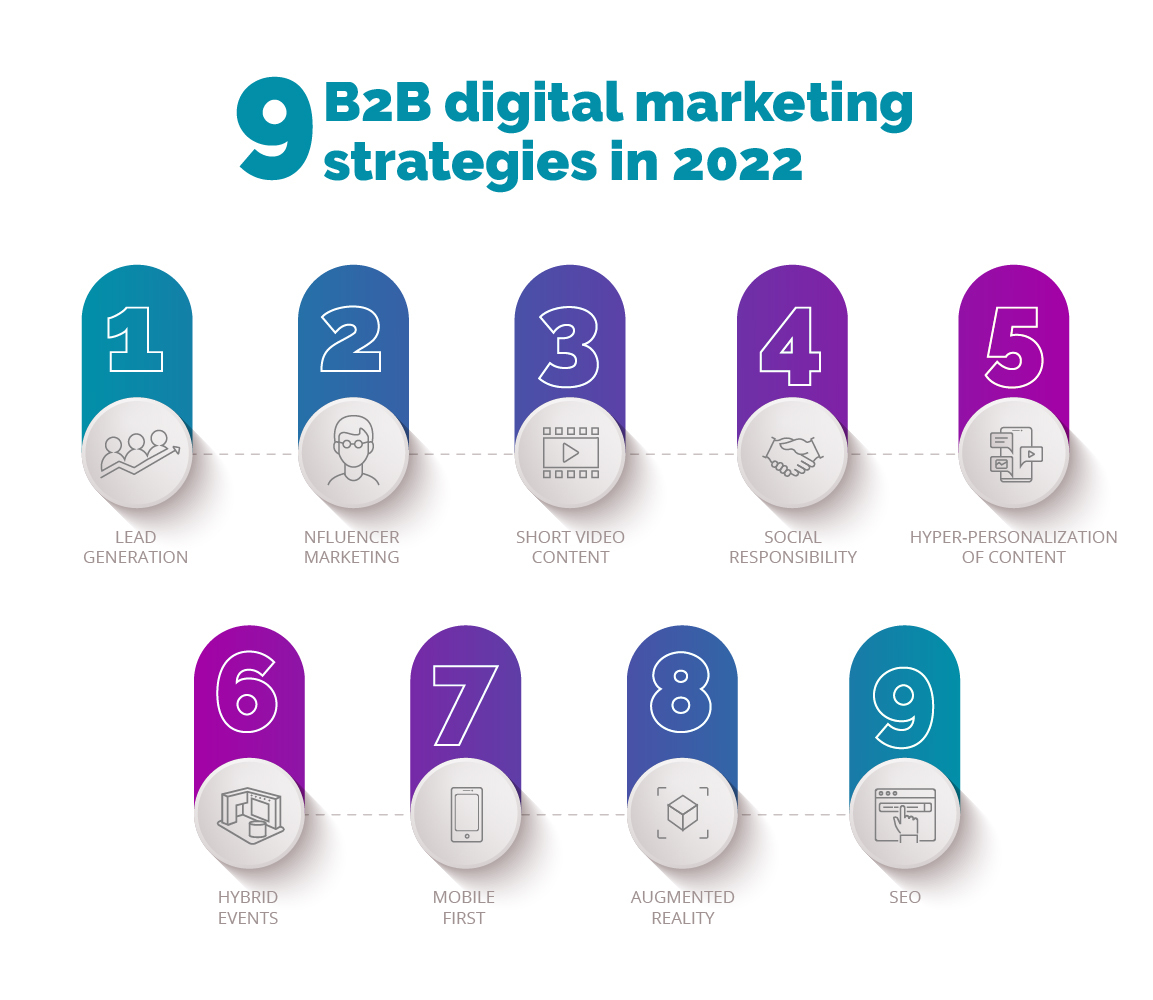 We hope you found our review of Digital Marketing Trends for 2022 beneficial; at the end of the day, it is part of our expertise in being the strategic B2B partner you need in this challenging year. At Isource Marketing we specialize in developing customized marketing strategies according to the needs of your business and adapted to the market. You can contact us by clicking
 The millennial generation (born between 1981 and 1996) is the first to come of age in the new century and is expected to be a key economic force in the decades ahead. According to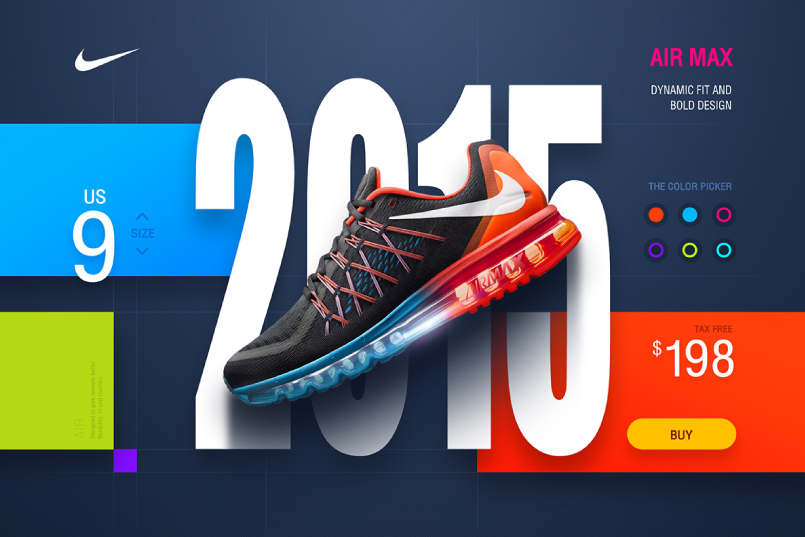


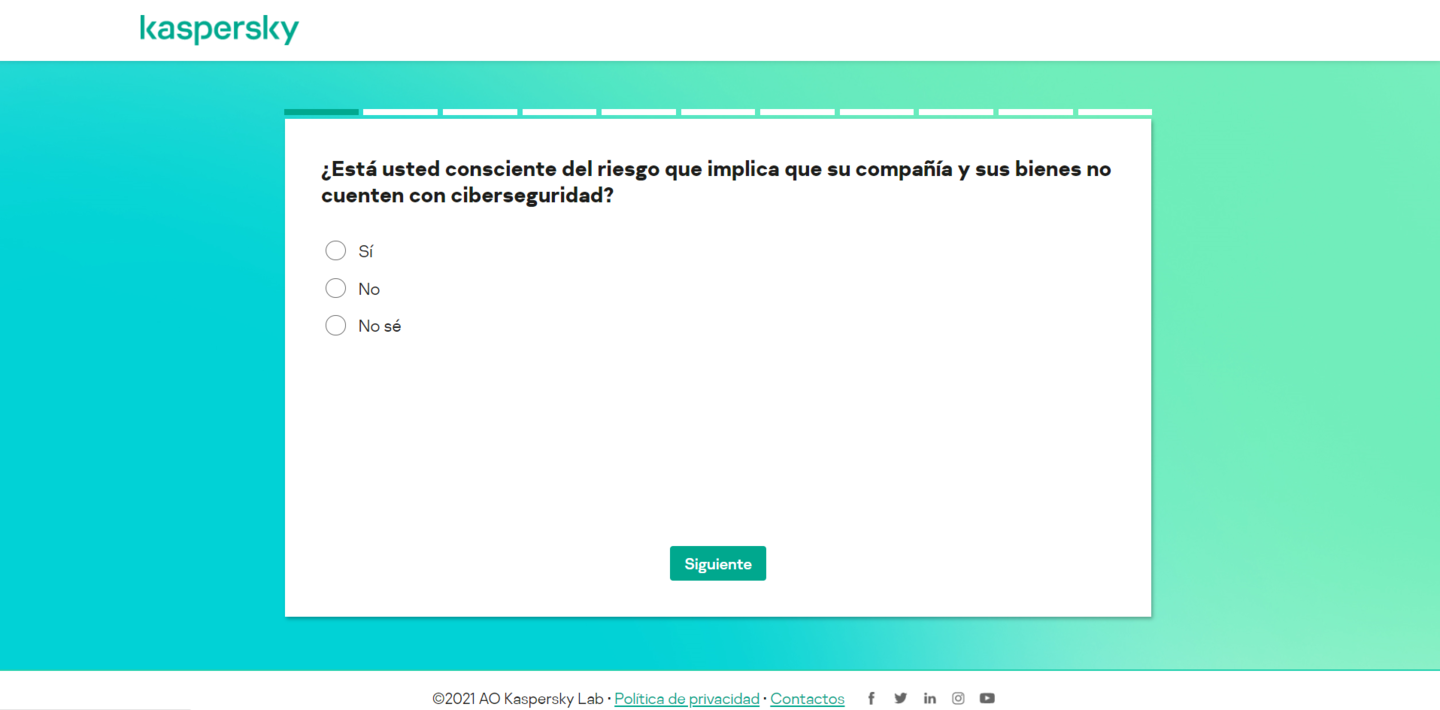



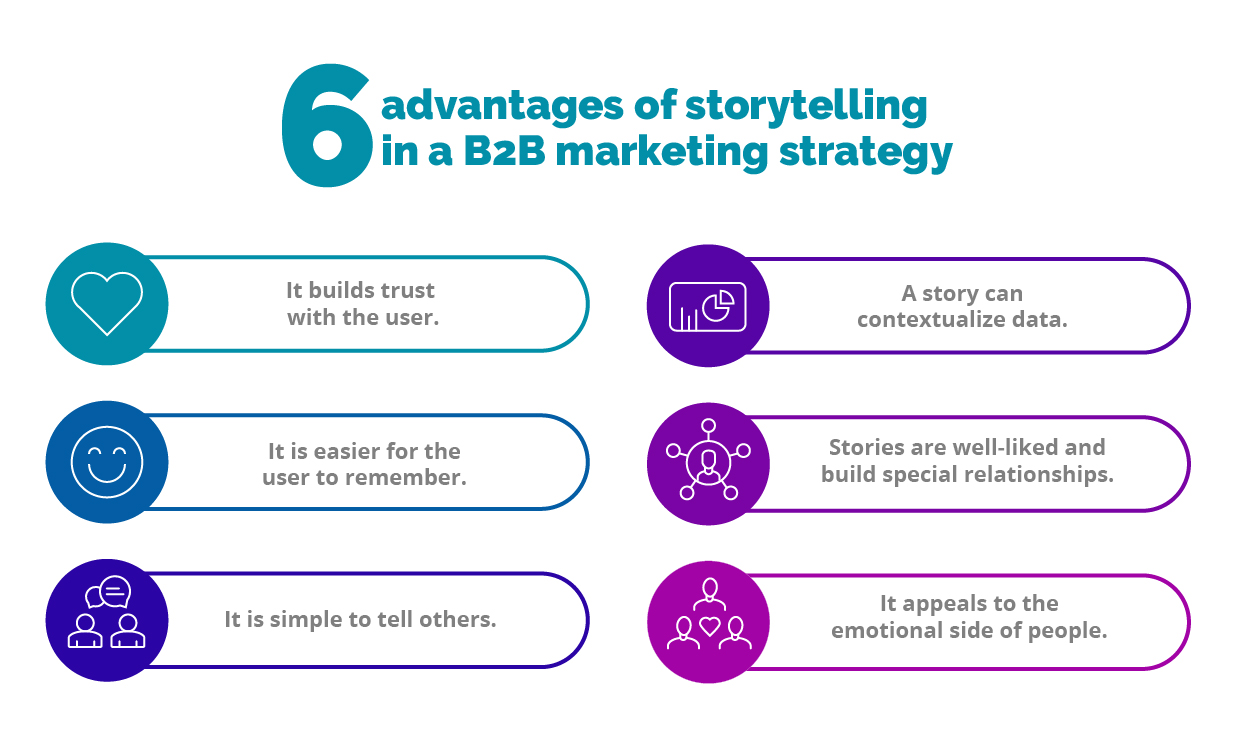
 Who doesn’t like stories? We live in a world surrounded by them; in fact, our life is a story in itself. Companies have recognized the potential storytelling can have and are utilizing it to captivate their consumers and potential customers. What exactly is it, and why does it hold so much opportunity in the Business-to-Business (B2B) world? The solutions to these questions may be found throughout this blog.
 Harness the power of gamification
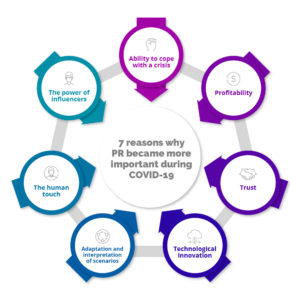
 The arrival of COVID-19 accelerated digital transformation all while bringing a new way for businesses and the media to conduct public relations (PR), in which it has become critical to have more accurate information, faster responses to unforeseen situations, and a more strategic, comprehensive, and intelligent media monitoring.