

Augmented Reality in social media: the next step in your digital strategy
 What is augmented reality? It is a technology resource that provides users with interactive experiences by combining a virtual component to a real physical environment with the use of digital devices. Although its origins date back to the early 20th century and its term was originally created in the early 1990s, it is now embedded in everyone’s lives and continues to progress at a fast pace.
We use augmented reality on a regular basis, and it is present in our everyday lives primarily for entertainment purposes. However, companies utilize AR to improve sales, enhance product or service presentation, train employees, and even analyze statistical data. Click on this link to visit our blog, where we discuss the benefits of augmented reality, virtual reality, and extended reality in the corporate sector.
In this blog, we will examine the operations and benefits of augmented reality in social media. Before we begin, let’s look at some numbers. According to Statista, the number of social media users worldwide climbed from 1.22 billion to 3.09 billion between 2011 and 2021. According to eMarketer, in 2020, 30% of users interacted with augmented reality content on social networks monthly. In 2021, that number was predicted to grow 7.2% and reach a total of 46.9 million users. Eye-opening, right?
In 2020, 30% of users on social networks interacted with content relating to augmented reality on a monthly basis.
These statistics demonstrate how social networking through mobile devices has become a part of our everyday lives, making it an important platform for developing immersive augmented reality experiences. There was speculation that Facebook had purchased Oculus in order to become the next large social network. Although significant progress has been made in this direction – remember the last push of Metaverse: Horizon Worlds – there are already communities, applications, and social events for virtual reality, with which augmented reality is without a doubt the number one technology for immersive social interaction.
The most significant advantage it provides in social networks is its distribution, which is far simpler and more widespread than virtual reality. It is compatible with a large number of smartphones on the market. The Snapchat filters, which have over 300 million active users, and Instagram filters, which have 1.4 billion active users, are the most visible evidence of its value.
As a result of the abovementioned, we can conclude that companies from all sectors, both B2C and B2B, have enormous potential to promote their products and services on social networks and platforms that utilize augmented reality.
Augmented Reality might serve as Facebook’s point of entry into the Metaverse.
So let’s take a look at the 5 benefits of using this awesome immersive social media technology in your next social media marketing strategy:
- Enhances the user’s experience
Augmented reality merges the virtual and real worlds, dramatically increasing user experience and, as a result, improving consumer satisfaction with a product or service.
- Keeps the audience’s attention for a longer time.
According to The Drum, augmented reality can keep consumers’ attention for up to 85 seconds. Additionally, you may enhance your purchase click-through rate by 33% and your engagement rate by 20%. This suggests that, regardless of the quality of the campaign, Internet users are likely to pay attention to and engage with augmented reality experiences.
- It helps generate buzz around the brand.
Augmented reality may be utilized to increase indirect sales and boost brand awareness. It contains playful, innovative, and surprising features that, when well executed, may create a pleasant atmosphere around the brand, product, or company itself. A well-designed augmented reality brand experience might just get people talking about a brand and associate it with positive emotions like joy and excitement.
- Encourage engagement.
Increase brand engagement by providing consumers with new, immersive experiences that hold their interest longer than a static image or text. Additionally, augmented reality allows for interaction with products and advertisements at various stages of the consumer experience. It may be used at the pre-sale, point-of-sale, and post-sale phases. It may also be utilized in gamification and branding applications to engage consumers.
- Drive the Playable Ads model
Instead of promoting a conventional advertisement, brands can have their customers participate in a game centered around a product for a certain period of time. Consumers would be able to touch and rotate objects while an indirect promotional message is communicated and no specific purchase action is pushed. On the contrary: augmented reality aims to provide a preview of the product or service so that the potential customer may use the experience to learn about their qualities.
Types of Augmented Reality
AR based on projection
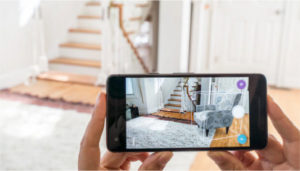
AR based on recognition
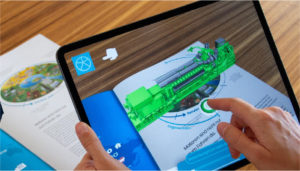
AR based on location
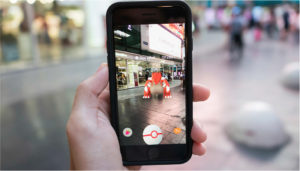
AR based on superposition
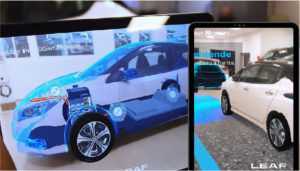
AR based on schemes

Conclusion: It is clear that augmented reality is here to stay on social media. Its ongoing growth and competition among the various platforms that develop it have meant that consumers and businesses alike benefit from it.
And, as a Digital Marketing and Communication agency committed to the development of immersive experiences, Isource Marketing has created a variety of Instagram and Snapchat filters as well as experiences. Here are two that we really like:
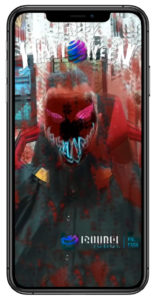
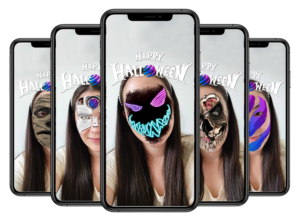
HalloSource is a frightening filter that we created for Halloween 2021. It is a fun experience in which the user may choose their preferred mask and give a great terrifying scream with it.
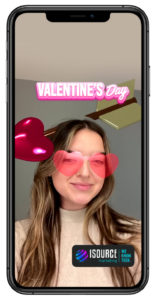
Valentine’s Day is rocking! Long live love! Also, long live rock! To celebrate Valentine’s Day, we put on a rock performance using this filter.
Are you ready to explore the world of augmented reality? At Isource Marketing, we have experts in the development of apps for different viewers and platforms, not just for augmented reality, but also for virtual and extended reality. Contact us at https://old.web.isource.us/#contact!
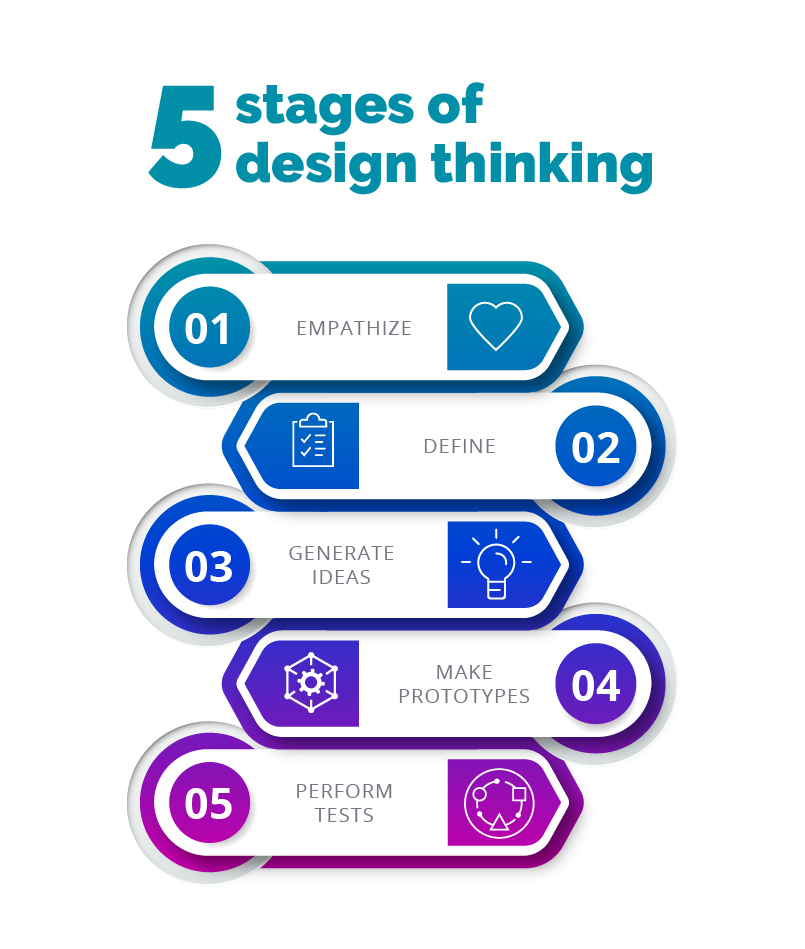
 Design thinking is an iterative process that utilizes a set of design techniques to generate, develop, and test new ideas in order to create products and services that are technologically possible and financially viable.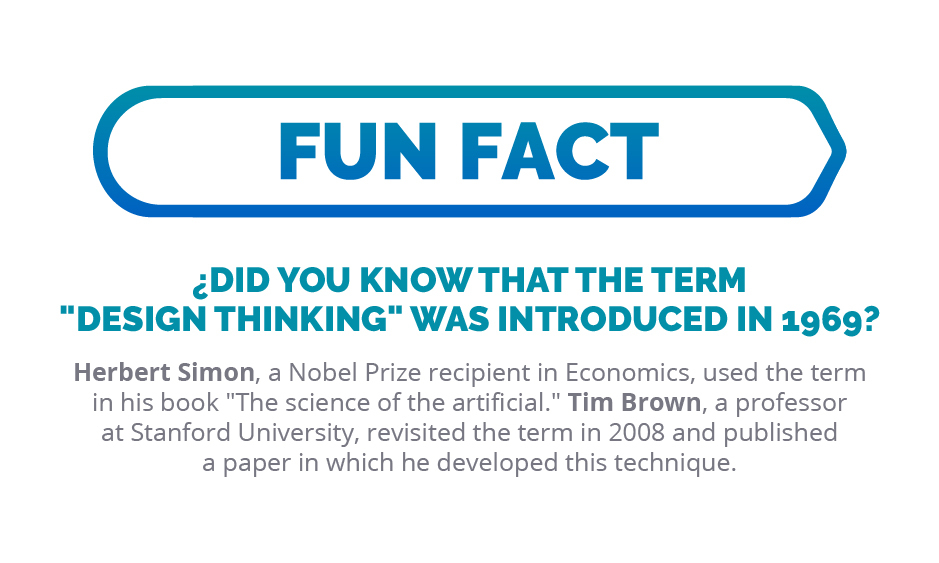
 2020 and 2021 were challenging years for society and the global economy, but there is no denying the opportunities created by the digital revolution’s acceleration, particularly for enterprises in the Business to Business (B2B) sector and their sales and marketing areas. According to a
 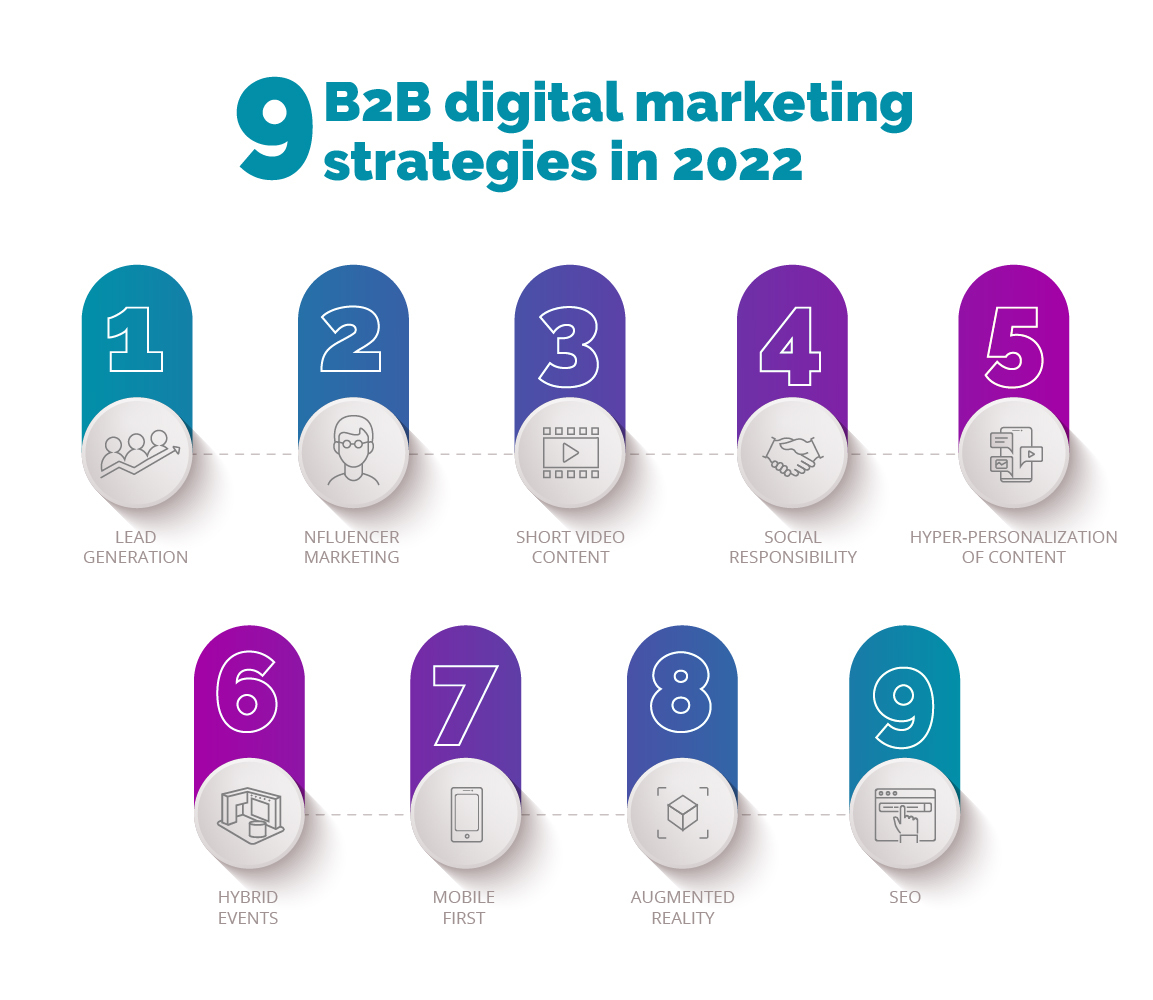 We hope you found our review of Digital Marketing Trends for 2022 beneficial; at the end of the day, it is part of our expertise in being the strategic B2B partner you need in this challenging year. At Isource Marketing we specialize in developing customized marketing strategies according to the needs of your business and adapted to the market. You can contact us by clicking
 The millennial generation (born between 1981 and 1996) is the first to come of age in the new century and is expected to be a key economic force in the decades ahead. According to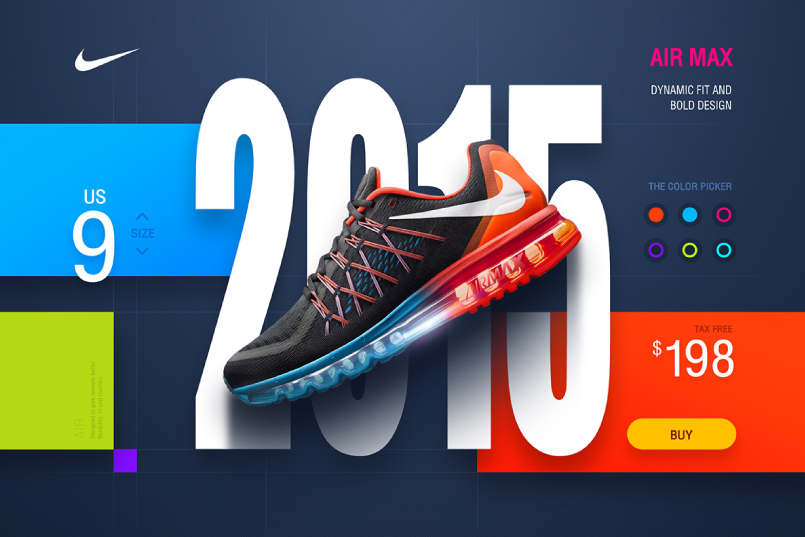


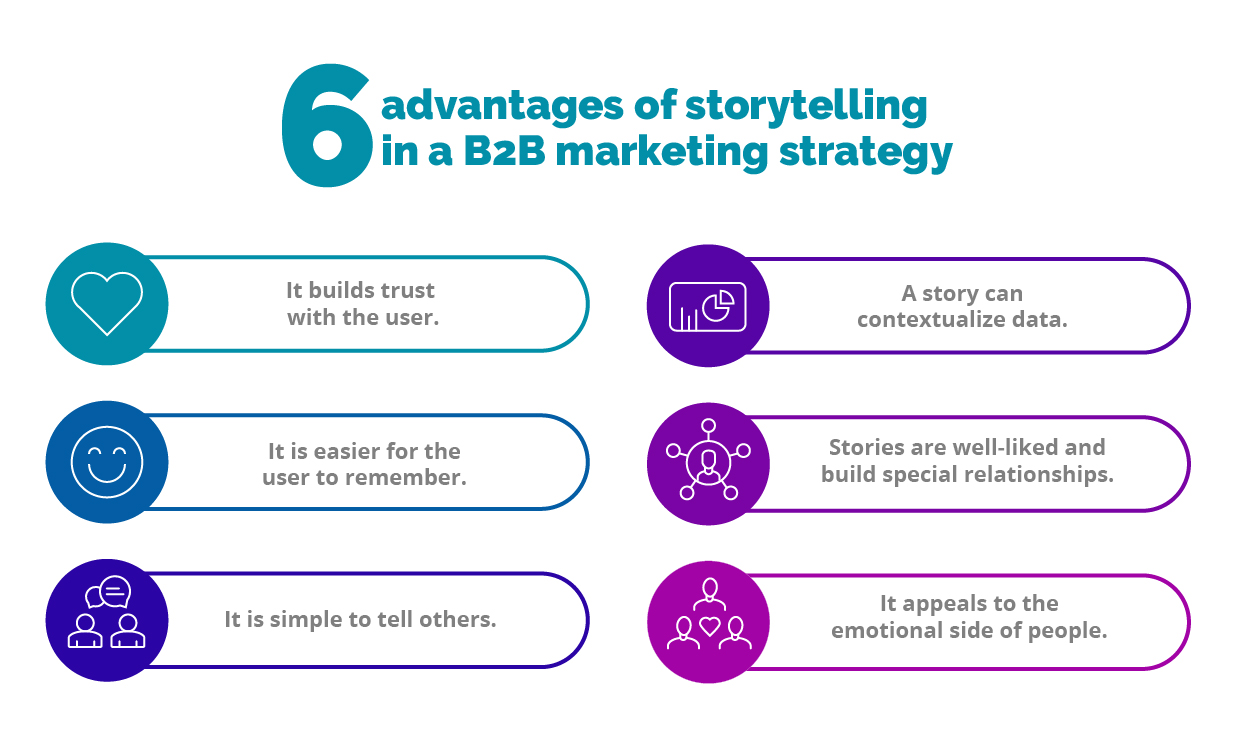
 Who doesn’t like stories? We live in a world surrounded by them; in fact, our life is a story in itself. Companies have recognized the potential storytelling can have and are utilizing it to captivate their consumers and potential customers. What exactly is it, and why does it hold so much opportunity in the Business-to-Business (B2B) world? The solutions to these questions may be found throughout this blog.
 Harness the power of gamification
 The arrival of COVID-19 accelerated digital transformation all while bringing a new way for businesses and the media to conduct public relations (PR), in which it has become critical to have more accurate information, faster responses to unforeseen situations, and a more strategic, comprehensive, and intelligent media monitoring.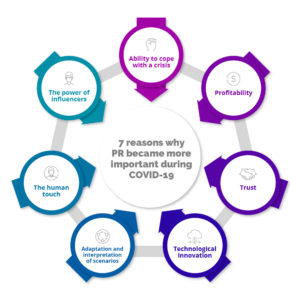


 Startups are a leading business model that drives innovation and economic growth worldwide. Each year, new types of products and services are created by startups. They serve as a great example of entrepreneurial creativity and ambition, as well as the emergence of ground-breaking concepts. Unfortunately, marketing is not one of their strong suits. And it’s understandable: most of them got their start not by writing case studies and sending emails but by building cutting-edge technology. Not to mention that traditionally, digital marketing was only available to large corporations in the B2B (business-to-business) and B2C (business-to-consumer) sectors.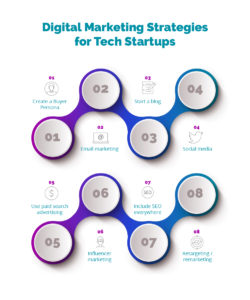

 In 2015, Google made an important announcement: that for the first time, it had received more searches from mobile devices than from desktops. Since then, the digital world has focused on the development of new concepts and strategies for mobile web design. Therefore, the mobile-first trend has revolutionized the creation of pages by prioritizing the mobile version website design and later adapting it to the desktop version.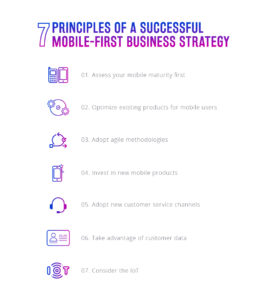
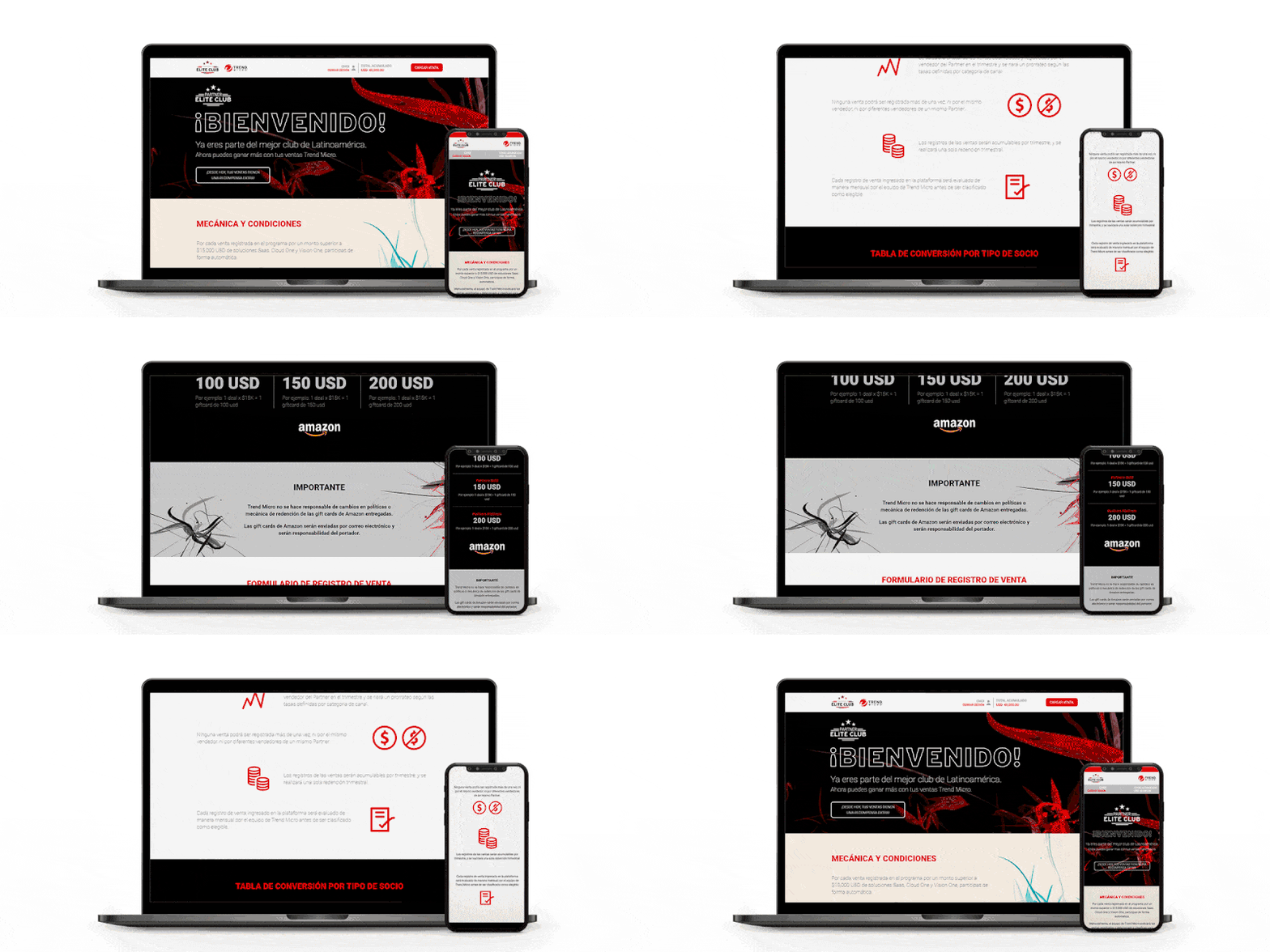

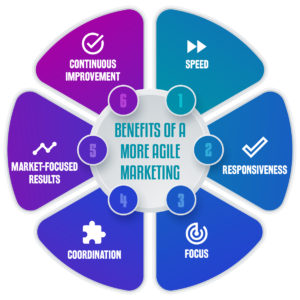
 A company in the financial sector in Ecuador decided to start its process of adopting agility with Isource Marketing, to improve its position in the financial sector. The entity started with the incorporation of the methodologies in its innovation team, forming agile teams that generated new products and services to meet the needs of its customers more effectively. However, they encountered an internal bottleneck: response times and quality of Marketing deliverables -a key step for the project- were not as expected. For this reason, they decided to hire our services with the aim of understanding and strategizing the current situation of the team by creating the ideal path in the adoption of agile marketing, which consisted of five phases: Identification and advice, solution, training to the Marketing area, adoption and evaluation/optimization.