


Learn why your company’s website should be Mobile-First!
 In 2015, Google made an important announcement: that for the first time, it had received more searches from mobile devices than from desktops. Since then, the digital world has focused on the development of new concepts and strategies for mobile web design. Therefore, the mobile-first trend has revolutionized the creation of pages by prioritizing the mobile version website design and later adapting it to the desktop version.
The statistics speak for themselves. In January 2021, Data Reportal registered 5.22 billion unique mobile users, representing 66.6% of the world’s population, which is something truly impressive. According to a study by the Pew Research Center on Generation Z (born between 1995 and 2015), 55% use their smartphones at least 10 hours per day. While according to the Global Index, 95% of people use their mobile devices primarily for social media or chatting with their friends while watching TV, and 72% have purchased a product online in the last month on any device. There’s no doubt that mobile matters a lot.
With the mobile-first indexing method, Google primarily ranks content based on the mobile version.
Mobility offers consumers exactly what they want in a single moment and not as a product in itself. Could we think that mobility is a new cultural paradigm that companies should adopt? Well, at Isource we think so, that is, in digital transformation strategies based on mobility, including all types of companies, even those in the B2B (Business to Business) sector.
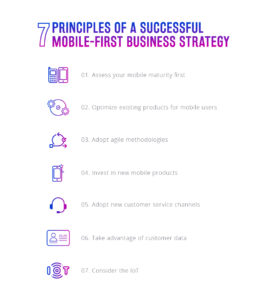
The myth of mobile-first in the B2B sector
Some still think that sending and receiving emails on a desktop computer is essential in a B2B company. However, this is not entirely true since today, many officials carry out most of their online transactions through a mobile device. It is evident that regardless of their nature, companies need to provide a pleasant experience on mobile devices.
There is no doubt that B2B buyers differ from B2C (Business to Consumer) when it comes to their customer experience or customer journey. Generally, the complexity of the buying process for B2B users is more sophisticated and expensive; It is not a simple process such as “click and buy X product”. However, in recent years, we have seen how this behavior has been changing and is increasingly common among B2C consumers.
So why should B2B companies be targeting mobile-first? Mobile email optimization, for example, is a key factor in increasing opens, clicks, and revenue. Since most consumers use a smartphone to check their emails, then the websites and other digital communication vehicles of B2B companies should function well on small screens. Here are some compelling reasons why B2B companies should seriously consider employing a usability-based approach for mobile devices:
- Adaptation: When developing a website it is important to think about mobile because it will be easier to adapt it to a desktop; otherwise, it will require many adjustments.
- Usability: If the access to the web is intuitive and easy, surely the users will be able to carry out more actions within it. An online store, for example, will show an increase in sales.
- Speed: Mobile-friendly websites commonly have faster loading times than traditional websites.
- Compatibility: It is easier for users to share your content on social networks from a mobile phone than from a computer.
- SEO: As we mentioned in the beginning, Google will index your website more if it is adapted for mobiles and if your consumers stay on it for some time; otherwise, you will no longer be relevant to the search engine.
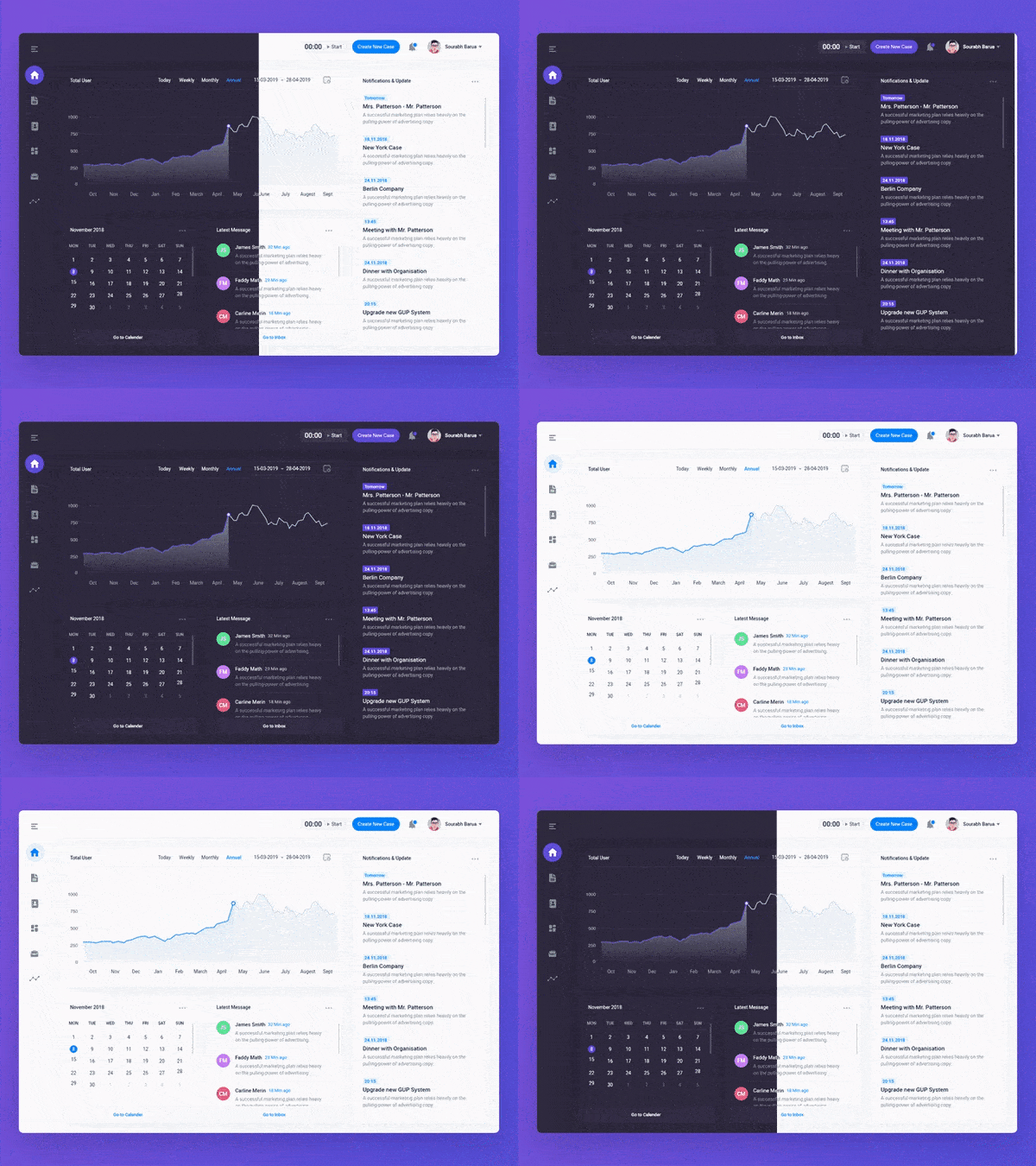
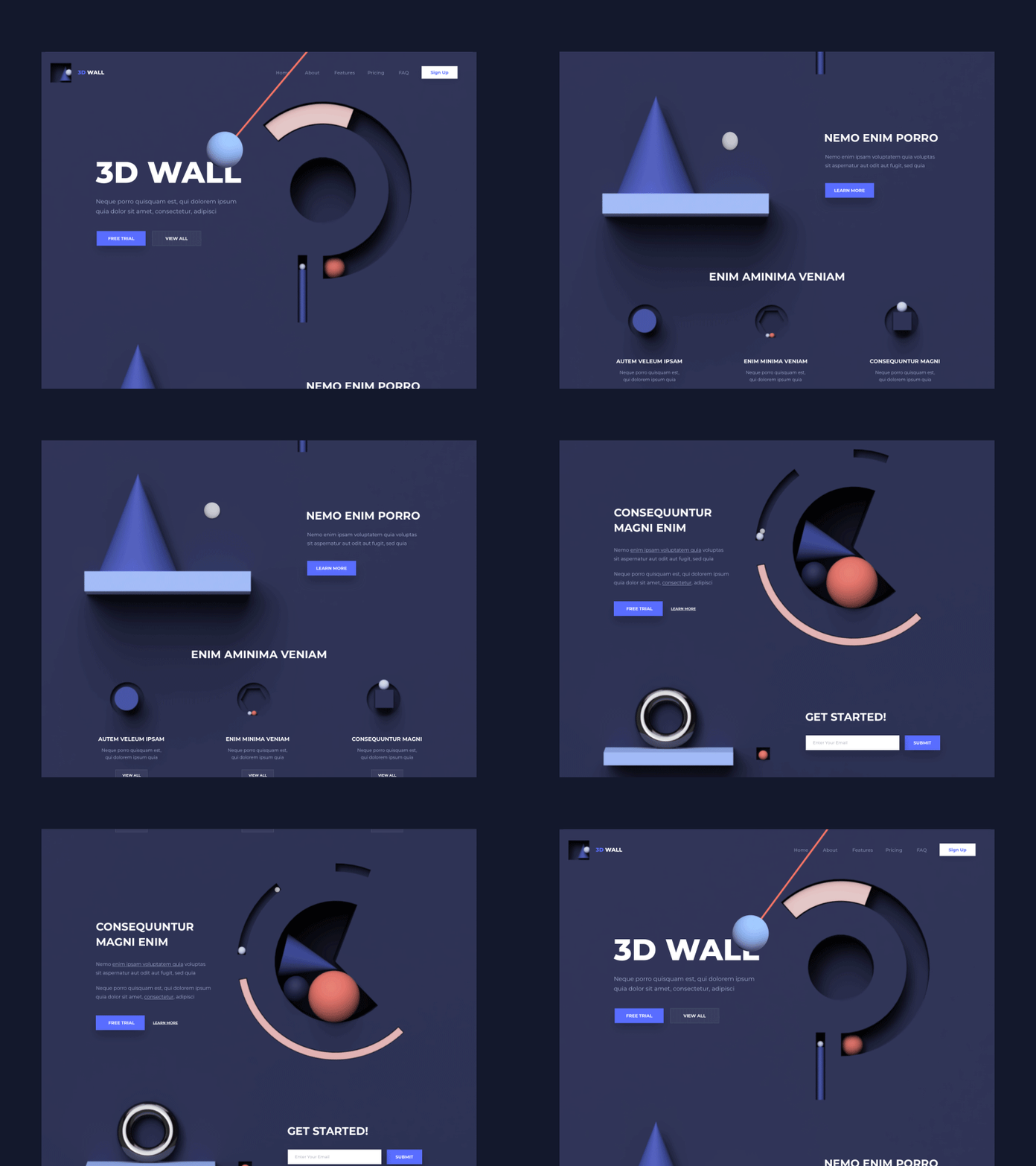
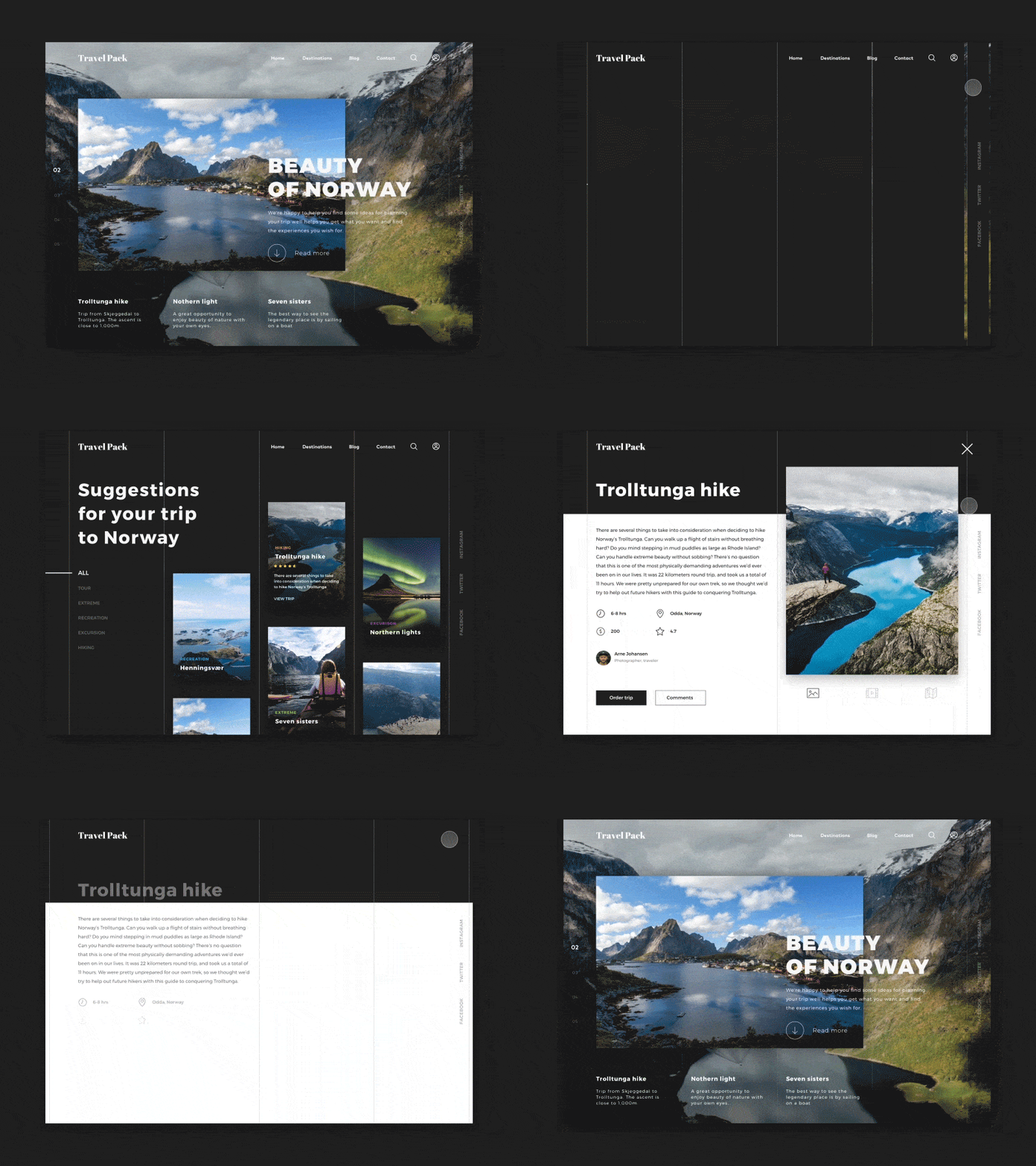
Take a look at these mobile first developments we did for three of our clients:
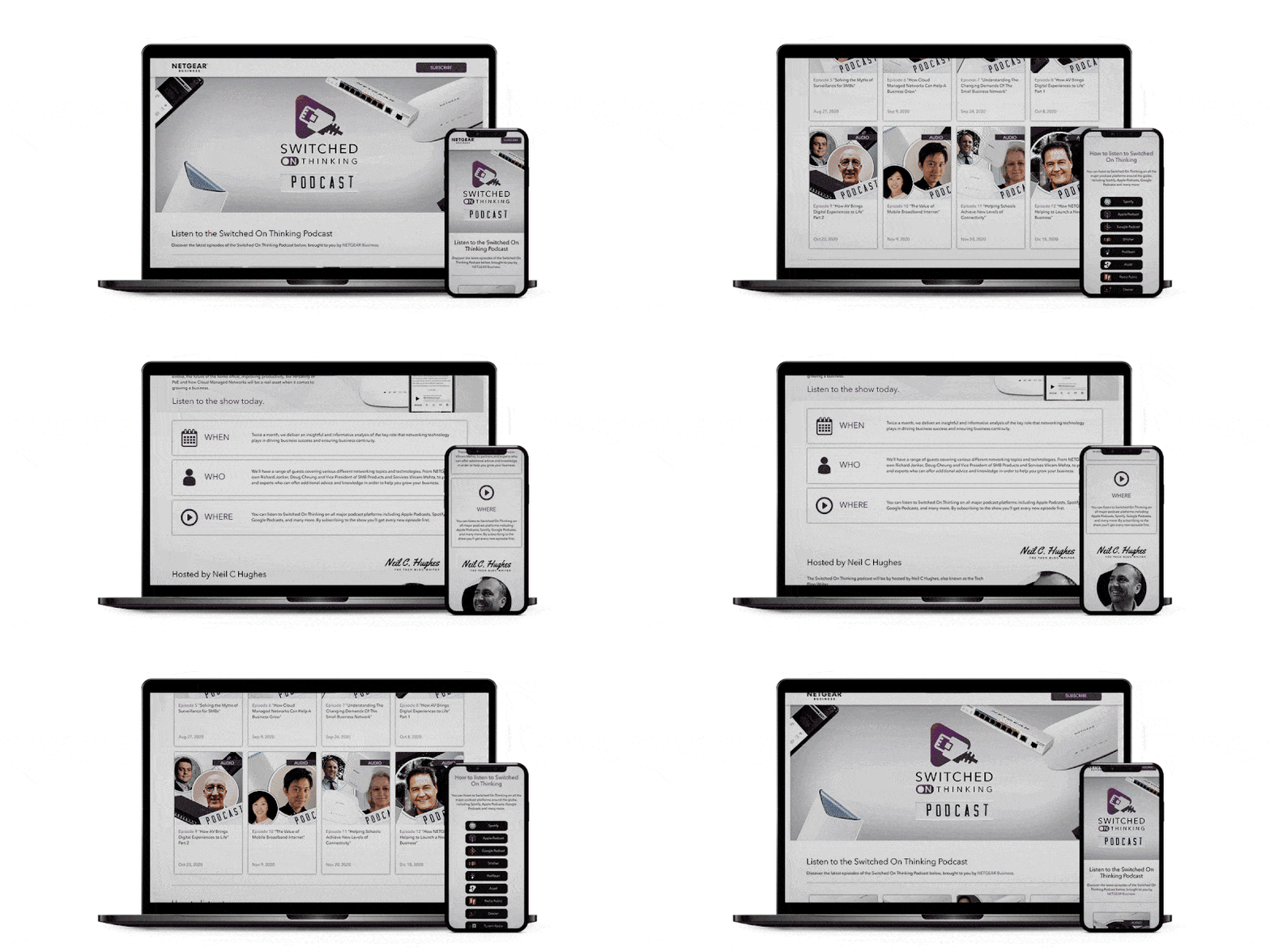
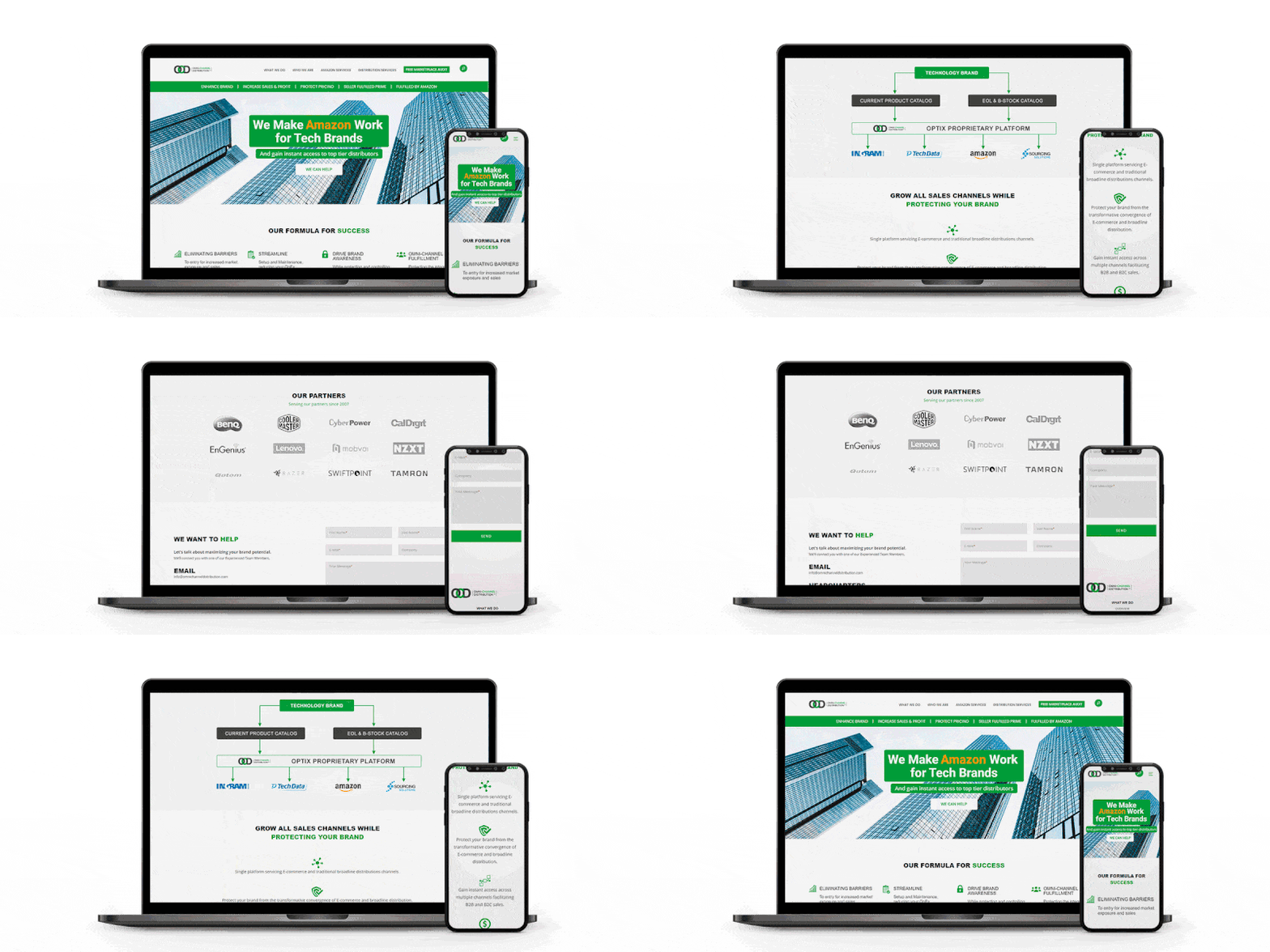
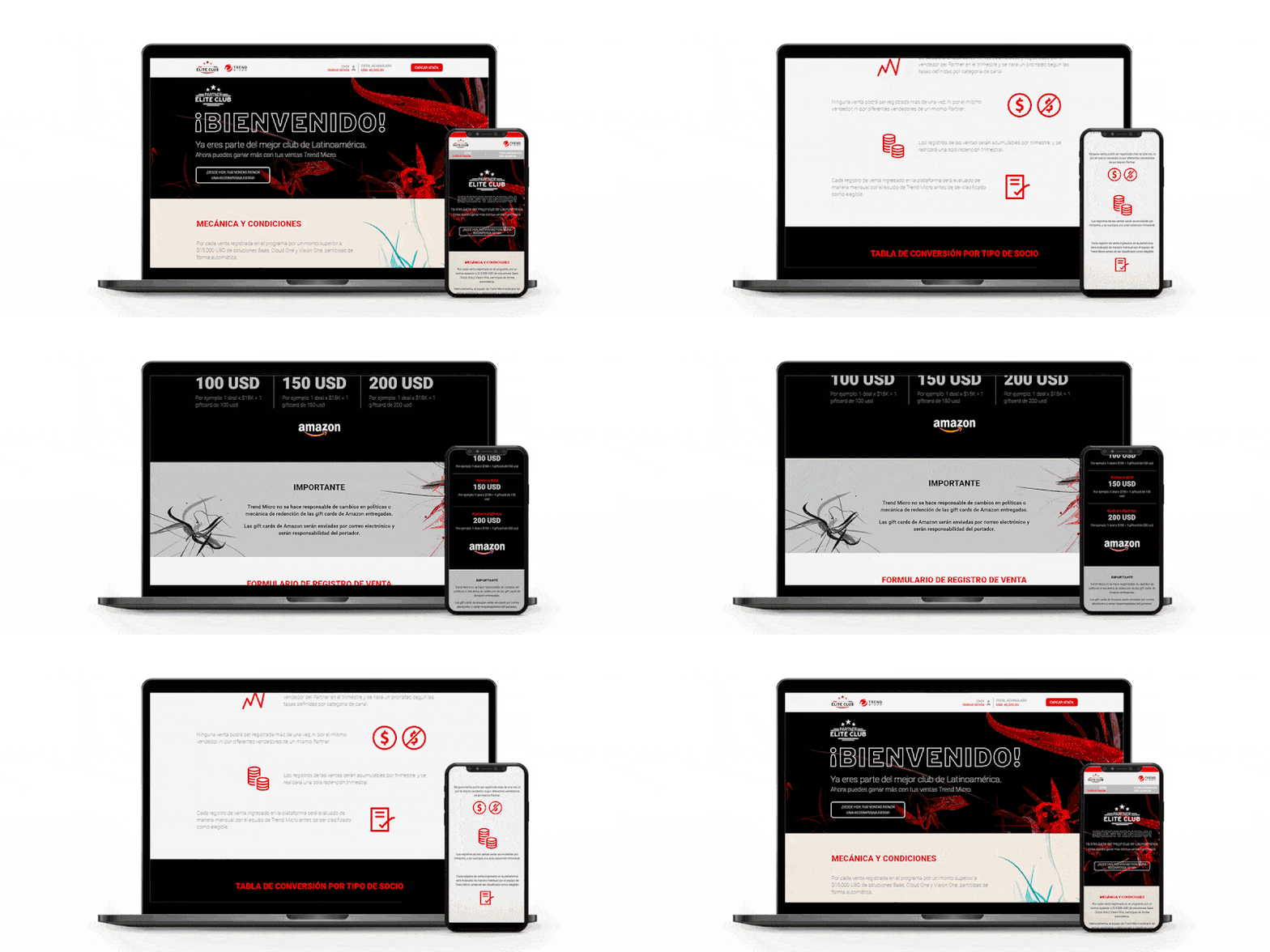
Are you ready for your website to be mobile-first? At Isource Marketing we have a team of designers who are experts in usability and user experience, as well as programmers capable of making your website adapt to any device. Click here and get to know us better!




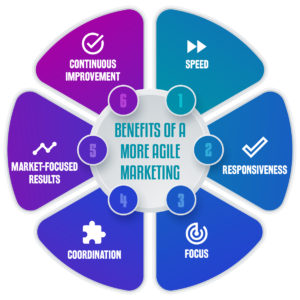
 A company in the financial sector in Ecuador decided to start its process of adopting agility with Isource Marketing, to improve its position in the financial sector. The entity started with the incorporation of the methodologies in its innovation team, forming agile teams that generated new products and services to meet the needs of its customers more effectively. However, they encountered an internal bottleneck: response times and quality of Marketing deliverables -a key step for the project- were not as expected. For this reason, they decided to hire our services with the aim of understanding and strategizing the current situation of the team by creating the ideal path in the adoption of agile marketing, which consisted of five phases: Identification and advice, solution, training to the Marketing area, adoption and evaluation/optimization.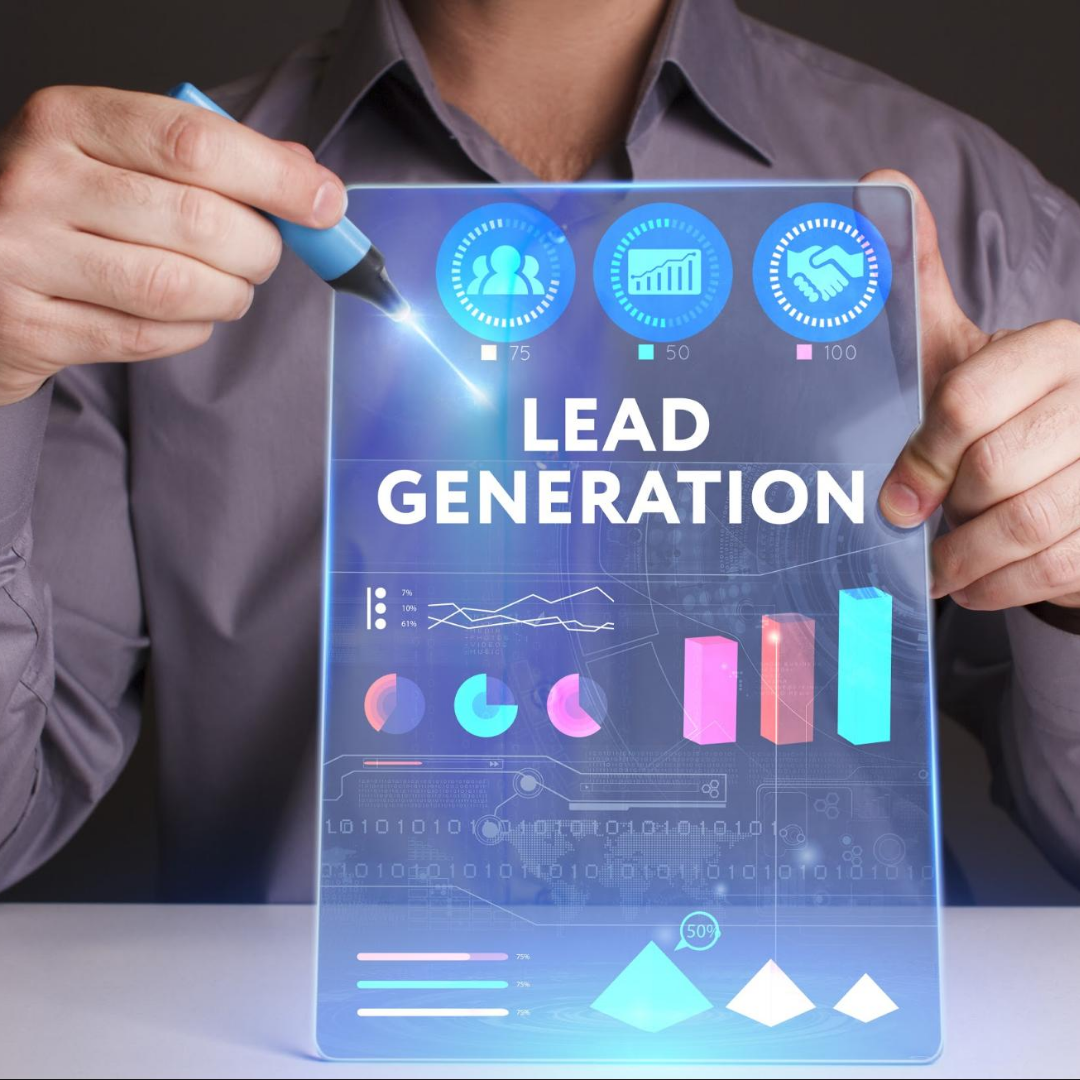
 Therefore, in order to help plan a sales strategy, we will be sharing 8 ideas for the successful generation of leads in the B2B sector in 2021.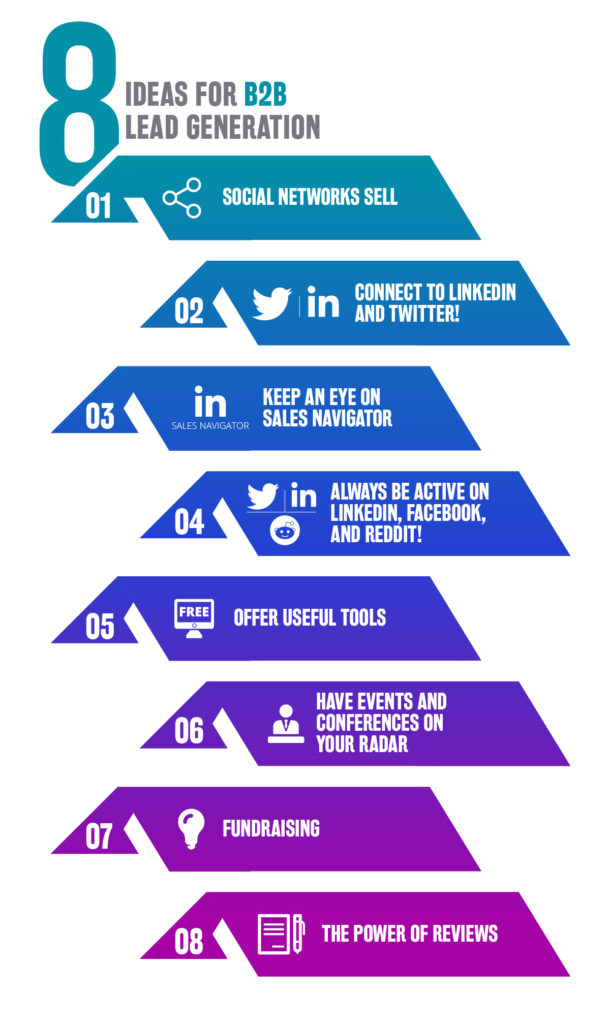

 It is no secret that strengthening a brand depends to a large extent on a solid communication strategy leveraged by public relations. Examples of this in the B2C sector are ample. Such is the case of companies like Apple, Samsung, Facebook and Tesla— which by their nature have their target audiences much closer to them. Therefore, it would be logical to think that if the target of a B2B company is not the end user, the strategy would change substantially.
 4. Get to know what the public reads.
 Popular opinion matters. Recommendations made by influencers— known for their beauty, their fame or their expertise on a certain topic— generate trust. And brands know it. That’s why influencers have become fundamental pieces in digital marketing strategies.